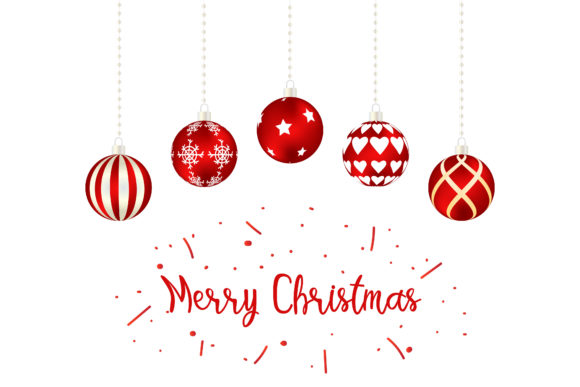
Christmas Ball Element
A Designer’s Take on the Christmas Ball Element
As a designer who works with embroidery files daily, I’ve seen my fair share of holiday-themed designs. The Christmas Ball Element caught my eye for its clean lines and classic appeal. But before I consider using it in a real project, I want to evaluate how it would perform in practical scenarios—whether it’s for a custom tote bag, a baby sweater, or an Etsy listing.
First Impressions: Mood and Visual Personality
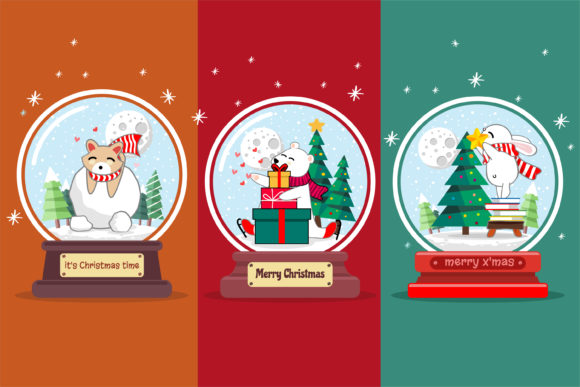
The Christmas Ball Element is a simple yet elegant illustration. It has a soft, festive feel that evokes warmth and nostalgia. The design features a single, well-proportioned ball with subtle texture and minimal detail, which makes it versatile for various applications. Its visual personality leans toward understated elegance rather than overwhelming ornamentation, making it suitable for both personal and commercial use.
I found the layout to be balanced and centered, which is important when placing the design on items like caps, aprons, or pillow covers. The lack of excessive embellishment means it doesn’t compete with other elements on the fabric, allowing it to stand out without being overpowering.
Real-Life Use Cases
When considering where to apply the Christmas Ball Element, I immediately thought of several common embroidery projects. It could work beautifully on a sweatshirt as a subtle holiday accent, or on a custom tote bag to add a touch of seasonal charm. For baby embroidery, it might be ideal for a onesie or blanket, offering a festive but not too busy look.
It also has potential for embroidered patches, especially if used as a standalone design or paired with other holiday motifs. A holiday gift like a personalized mug or tea towel could benefit from this element, adding a refined touch without being too garish.
For commercial embroidery, the Christmas Ball Element could be part of a larger design, such as a wreath or tree, or used as a repeat pattern for printable mockups and digital embroidery files. However, it’s important to consider how it will scale and maintain clarity when printed or stitched at different sizes.
Considerations for Real-World Embroidery
While the Christmas Ball Element looks great on screen, there are a few factors to consider before stitching it onto fabric. First, the design’s simplicity means it may not hold up well on small hoop sizes. If you’re working with limited space, the details might become too sparse or blurry, reducing the overall impact.
Second, the design’s texture and detail level can affect stitch density. On textured fabrics or thin materials, the Christmas Ball Element may not stitch as cleanly as on smoother surfaces. It’s always a good idea to test the design on scrap fabric first, especially if you're working with stretchy fabric or layered garments.
Another thing to keep in mind is the stabilizer used. Since the Christmas Ball Element has a relatively flat shape, it might require less stabilizer than more complex designs. However, proper stabilization is still crucial to prevent puckering or distortion, particularly on curved surfaces like caps or hats.
If you plan to use the Christmas Ball Element on dark fabric, make sure the thread colors provide enough contrast. Testing in black and white mockups can help identify any issues with visibility or clarity before committing to a full project.
Design Impact and Project Value
The Christmas Ball Element has the potential to enhance the visual appeal of a handmade product. Its clean lines and subtle detailing make it a great choice for personalized gifts and small shop products. When applied correctly, it can elevate the overall presentation of a project without overwhelming the viewer.
From a customer perspective, the Christmas Ball Element is likely to be well-received for its timeless quality. It’s not too flashy, which makes it appealing to those who prefer a more subdued holiday aesthetic. This can also contribute to brand consistency, especially for craft businesses or Etsy sellers looking to create a cohesive collection of holiday-themed items.
However, the success of the Christmas Ball Element also depends on how well it integrates with the rest of the design. If used as a standalone piece, it should complement the surrounding elements without clashing. For commercial embroidery or design assets, ensuring that the file is high-quality and properly formatted is essential to maintaining professionalism and customer trust.
Practical Design Notes
- Test the design on scrap fabric first to ensure it stitches cleanly and maintains its intended shape.
- Check thread color contrast against the fabric background, especially for dark or light-colored materials.
- Review stitch density to avoid overly dense or sparse areas that may affect the final appearance.
- Confirm hoop size to ensure the design fits comfortably and stitches evenly.
- Inspect small details to ensure they remain clear and legible after stitching.
- Test in black and white mockups to assess how the design holds up in different lighting conditions.
- Use proper stabilizer to prevent puckering and maintain fabric integrity.
- Ensure the design works for both personal and commercial projects by checking licensing terms before selling finished items.
Ultimately, the Christmas Ball Element is a versatile and elegant design that can fit into a wide range of embroidery projects. With careful consideration of fabric type, hoop size, and thread color, it can become a valuable addition to your design toolkit. Whether you're creating a custom apparel item, a handmade product, or a digital embroidery file, this element offers a refined and approachable holiday touch.